
What is Bachata?
Bachata's one of the most accessible dances you'll ever learn. It's slower than salsa, the moves are smaller, and there's no fancy footwork required from day one. You're not trying to become a professional dancer — you're just learning to move with the music and enjoy yourself with other people. That's the whole point.
The basic step takes about 30 seconds to learn. Seriously. Four weight shifts in time with the music. That's your foundation.
The Basic Step Pattern
Every bachata song is built on eight counts of music. You'll step on counts 1, 2, 3, pause, then 5, 6, 7, pause. Your weight shifts side to side with a small hip motion that comes naturally when you relax into it.
The rhythm's straightforward. Listen to a few bars and you'll hear where the beats land. Once your feet understand the pattern, the upper body follows. Most people find this click within their first 10 minutes of practice.
- Step side on count 1
- Close your feet on count 2
- Step side again on count 3
- Small hip motion on the pause

Important Note
This guide is for educational purposes and describes general bachata fundamentals. Every person learns at their own pace, and physical limitations vary. If you have any health concerns, consult with a healthcare professional before starting any new physical activity. A qualified dance instructor can provide personalized guidance tailored to your specific needs and abilities.
The Hip Motion — It's Simpler Than You Think
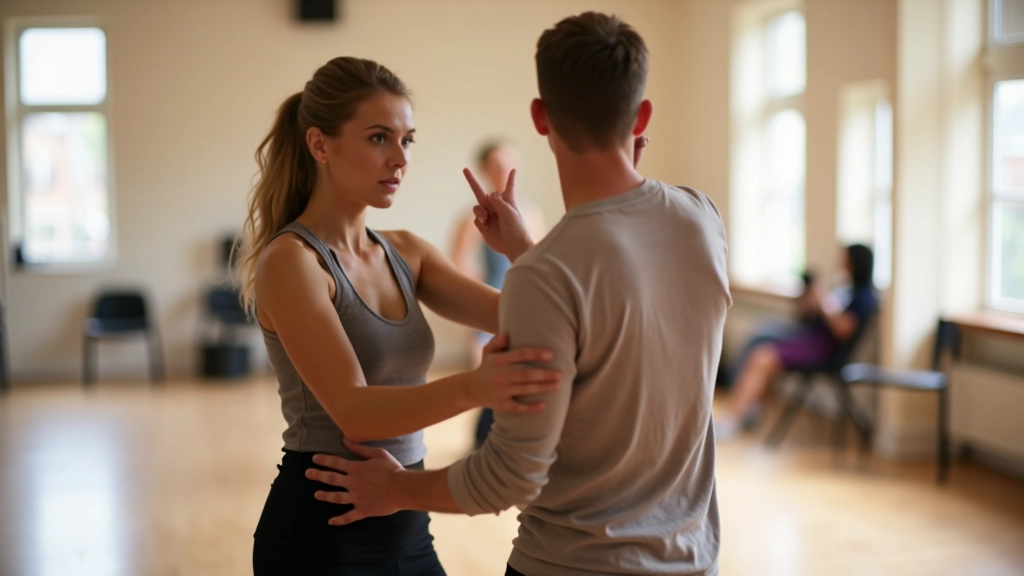
People worry about hip motion, but it's not a deliberate move you're forcing. It happens when you step side and shift your weight properly. Your hips respond to where your weight goes. You're not rotating your hips — you're just letting them follow your feet.
Stand with your feet together. Now step your right foot to the right and put your weight on it. Your right hip naturally lifts slightly. That's it. That's the hip motion. Do the same on the left side. Your body knows how to do this already — you're just doing it in rhythm.
The bigger issue isn't the hip motion itself — it's overthinking it. Relax your knees slightly. Let your body move. In 2-3 weeks of regular practice, this becomes automatic.
What to Expect at Your First Class
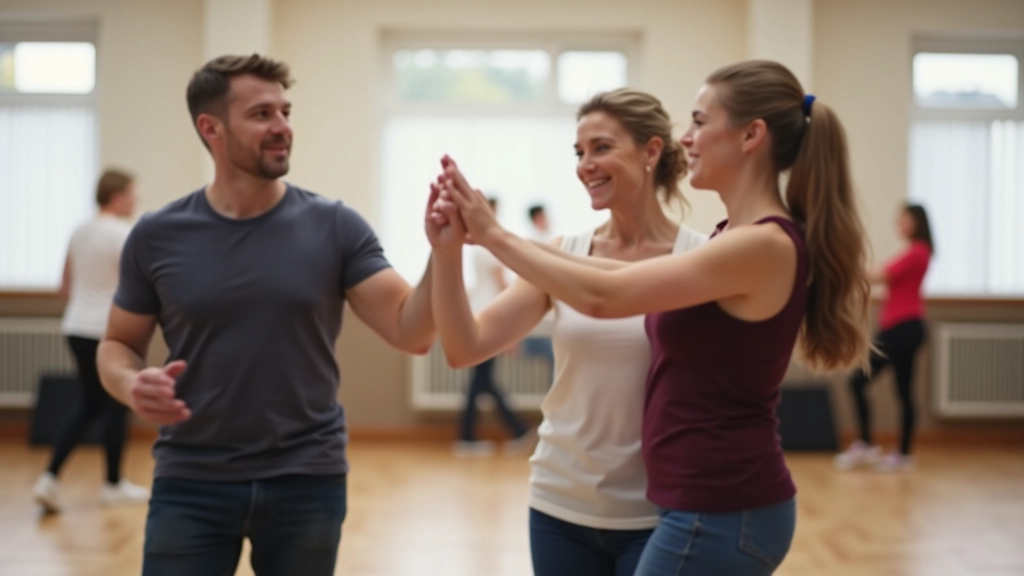
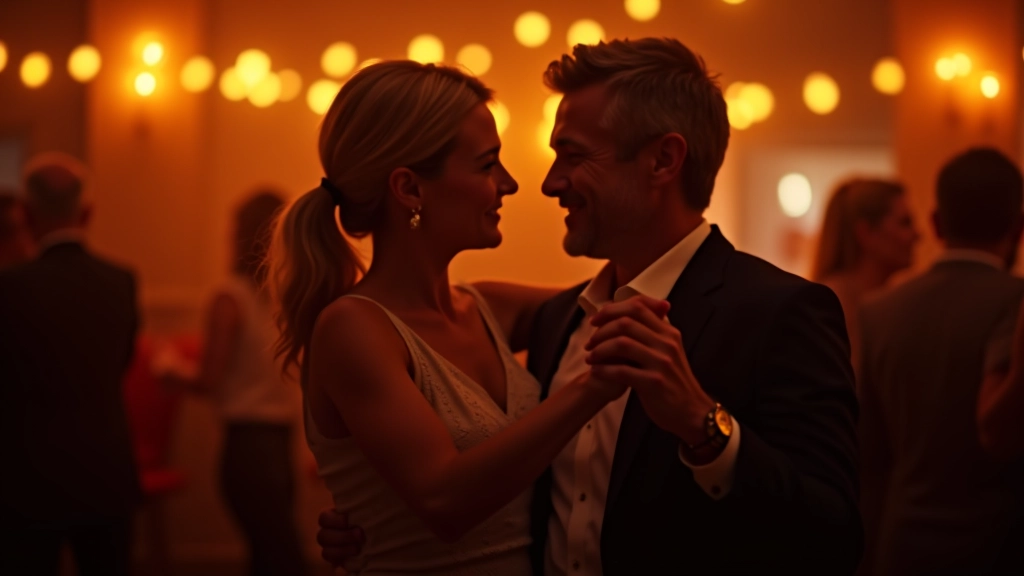
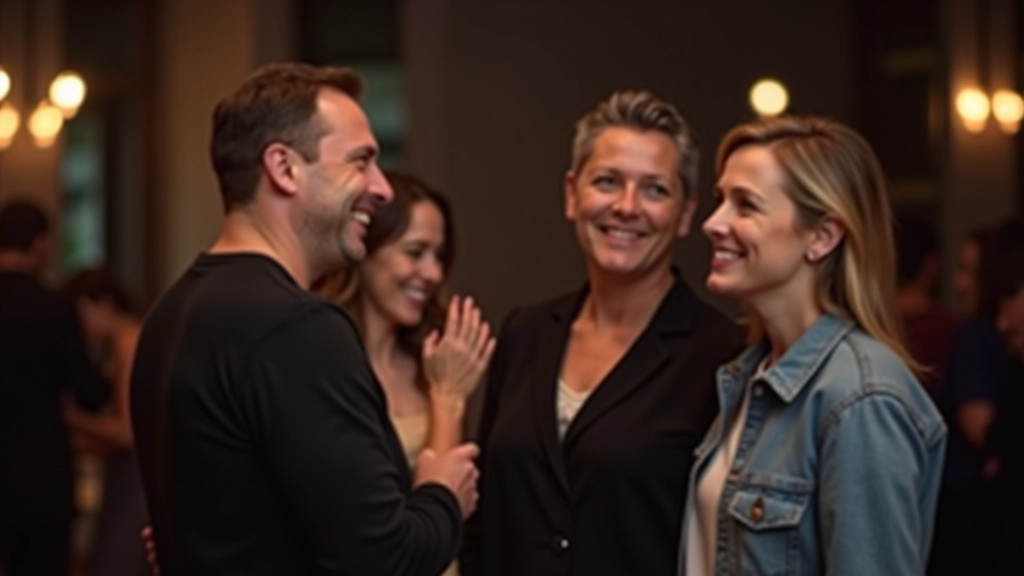
You'll walk into a studio with soft lighting and wooden floors. There's music playing. Maybe 15 to 30 people there — some are complete beginners like you, some have been dancing for years. Nobody's there to judge. Everyone's there because they enjoy moving to music.
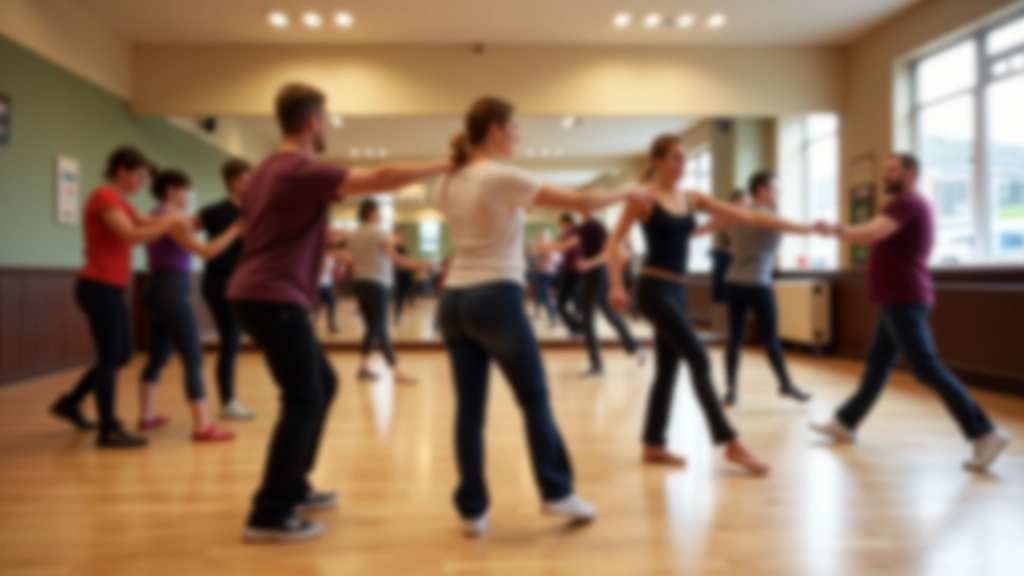
The instructor will teach the basic step first. They'll count it out. You'll practice in place, just moving your feet and getting the timing. Then you'll practice with a partner. Don't worry if your first partner's a stranger — you're literally just holding hands and moving side to side. It's not intimate. It's collaborative.
A typical class runs 60 to 90 minutes. First 20-30 minutes is technique. Middle section's practice with partners. Last 15-20 minutes is usually freestyle dancing — put on a song and just move however feels right. By the end of that first class, you'll have learned something, moved your body, and smiled at least once.
How to Prepare for Your First Class
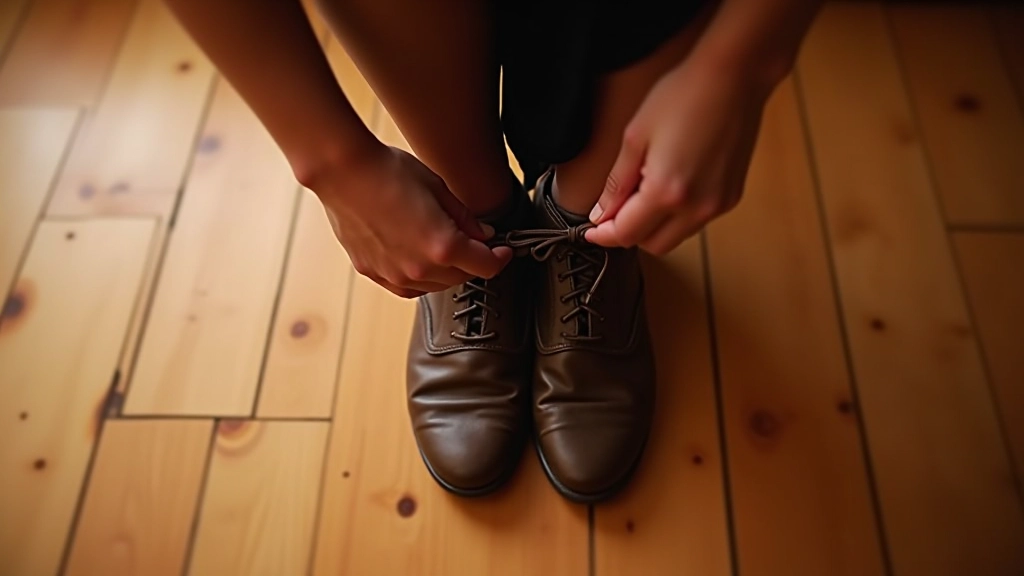
Wear something comfortable. Jeans work fine. Trainers or dance shoes — honestly, soft shoes with a flexible sole are better than rigid trainers because you need to feel your feet. Some people wear socks on the wooden floor, but shoes give you more control.
Arrive 10-15 minutes early. Talk to the instructor and mention you're brand new. They'll keep an eye on you and adjust explanations if you need it. Bring water. You won't be exhausted, but you will move, so stay hydrated.
Most importantly — show up with the attitude that you're there to learn, not to perform. Bachata's forgiving. The music's beautiful. Your first class won't be perfect, but it'll be memorable. And you'll probably want to come back.
Ready to Get Started?
Bachata isn't complicated. It's not expensive. And you don't need to be young or fit or coordinated. You just need to show up, listen to the music, and let your body move. Within a few weeks, you'll feel the rhythm without thinking about it. Within a few months, you'll be leading or following smoothly. And most importantly, you'll have found a community of people who genuinely enjoy being there.
Your first step is finding a class near you. Check local studios in Dublin, Cork, Galway, or wherever you are. Read reviews. Look at the instructor's experience. Then book a class and go. That's it. You've got this.