

Dublin's Social Dance Scene is More Accessible Than You Think
There's no shortage of places to dance in Dublin. Whether you're looking for bachata on a Thursday night, salsa on weekends, or something in between, the city has options. But finding the right fit — a space where you feel welcome, where the music resonates, where you can actually improve — that takes a bit of guidance.
We've spent the last few months exploring Dublin's active dance communities. We've visited venues, talked to organisers, and watched how different groups operate. This guide breaks down the main communities you'll find, what each one offers, and how to decide where to start. Some places are perfect for complete beginners. Others cater to experienced dancers. Many welcome both.
The short version: Dublin has at least 4 major social dance communities running regular events. Each has a different vibe, schedule, and skill focus. Your best bet is trying 2-3 venues before settling on your favourite.
01
The South City Dance Venues
South Dublin hosts some of the city's most established dance communities. You'll find regular salsa nights at venues near Rathmines and Ranelagh, with events running Tuesday through Saturday. Most sessions run 8pm to midnight, with beginner workshops starting at 7:30pm. The crowds tend to be mixed ages — you'll see 45+ dancers mixed in with younger crowds, which keeps things fresh.
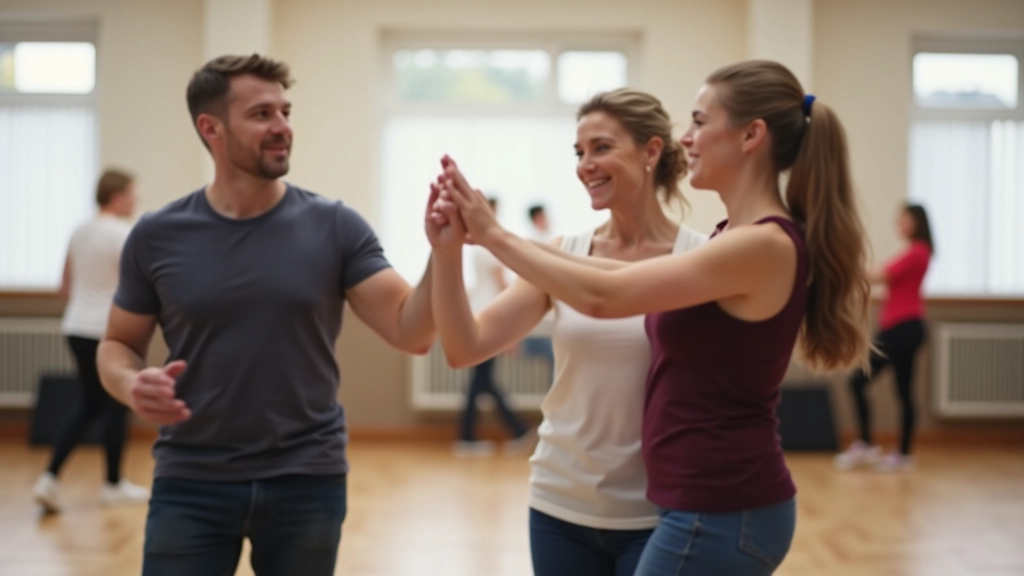
What we liked: The beginner sessions are structured. Instructors spend the first 30 minutes teaching basics, then the dance floor opens up. Don't expect fancy choreography. It's practical stuff — how to hold your partner, basic rhythm patterns, how to follow or lead. The organisers actively encourage newcomers and pair you up if you're solo.
What to know: Popular venues get crowded around 9pm. If you prefer more breathing room, arrive earlier or try a quieter weeknight session. Most charge €8-12 entry. Some venues have a small bar but it's not pushy — you don't need to drink.
02
Bachata Communities and Studio-Based Programs
Bachata's become increasingly popular in Dublin over the past 3 years. Unlike salsa which happens in bars and clubs, most bachata communities centre around studios. This is actually a good thing if you're just starting. Studios have sprung floors (easier on your knees), controlled lighting, and professional sound systems. No shouting over a DJ.
What we liked: Studio environments attract serious learners. People show up to improve, not just socialise. The intimate nature of bachata — it's slower, closer, more about connection — seems to draw people who want to build real dancing relationships. Classes often run 8-9pm with social dancing until 10pm. That's perfect if you work during the day.
The challenge: You need to commit to a few sessions to really learn. Bachata's not something you pick up in one night. Most studios recommend 4-6 weeks of weekly classes before you'll feel comfortable dancing socially. That's realistic, not a sales pitch. You're learning body mechanics, timing, and how to lead or follow smoothly.
Cost: Studio classes run €12-15 per session, or about €40-50 for a month's unlimited access.
A Note on Finding Your Community
The venues and communities listed here are based on current information as of April 2026. Dance communities change — organisers move, venues close, schedules shift. Before heading out, we'd recommend checking directly with venues for current class times and social dance sessions. Most have Instagram pages or websites with up-to-date details. Prices mentioned are approximate and may vary. Always confirm entry fees and class costs when you contact them.
03
Weekend Social Events and Pop-Up Dances
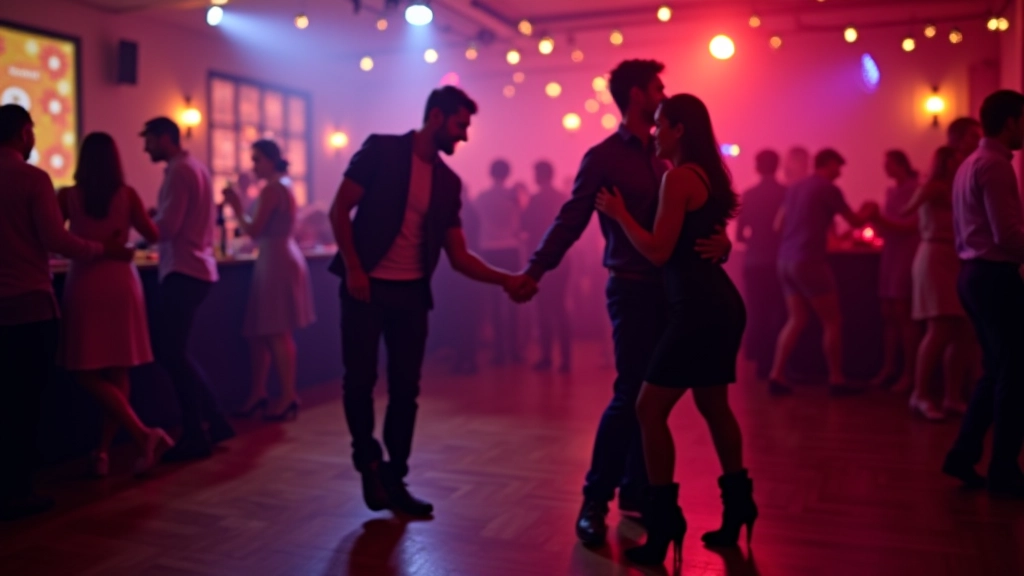
Dublin also has a rotating schedule of special dance events — weekend socials, themed nights, and occasional pop-up dances. These are different from regular classes. You show up, you dance with different people, and you go home. No commitment, just a night out.
What we liked: Pop-up events have energy. You'll meet dancers from different communities, which expands your network. Plus they're often better organised musically — DJs curate their sets carefully rather than just running club playlists. Themed nights (like "80s Salsa" or "Bachata Romantica") create a specific mood. It's less about technique and more about having fun.
What to know: These events often sell out or get very crowded. Dance floor space is limited. If you've got two left feet, don't worry — the atmosphere's usually forgiving. People are there to enjoy themselves, not judge. You'll also see more couples at these events compared to regular classes, so if you're solo, come prepared to dance with new partners.
Keep Exploring Social Dance
Your Next Step
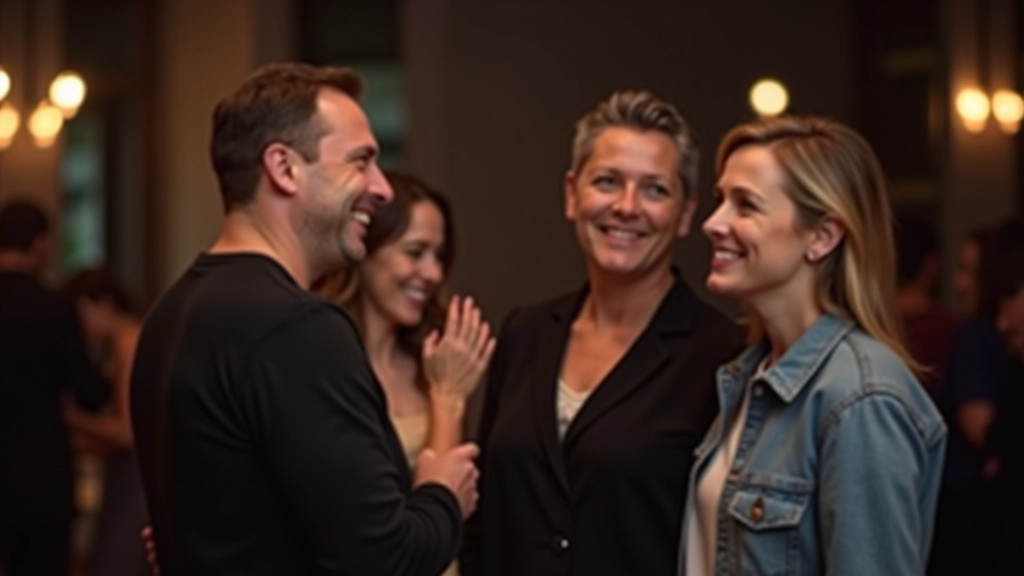
You don't need to overthink this. Pick one venue that fits your schedule. Show up. Dance with whoever's there. If it doesn't feel right, try somewhere else. Dublin's got enough communities that you'll find your people. And honestly, most organisers are genuinely happy to have newcomers. They remember what it felt like to be nervous on day one.
Start with a beginner class if you're brand new to partner dancing. That structure matters. You'll learn the fundamentals in a controlled environment before jumping into a packed social. If you've got some experience, a social event or drop-in class works fine. Either way, you're in for something good. Dublin's dance community is welcoming, unpretentious, and genuinely fun.