
Salsa Basics — Understanding the Rhythm and Lead-Follow
Salsa can seem complicated, but it's really just eight counts of music. This guide breaks down the rhythm, basic steps, and how the lead-follow connection actually works in practice.

01 Why Salsa Feels Hard at First
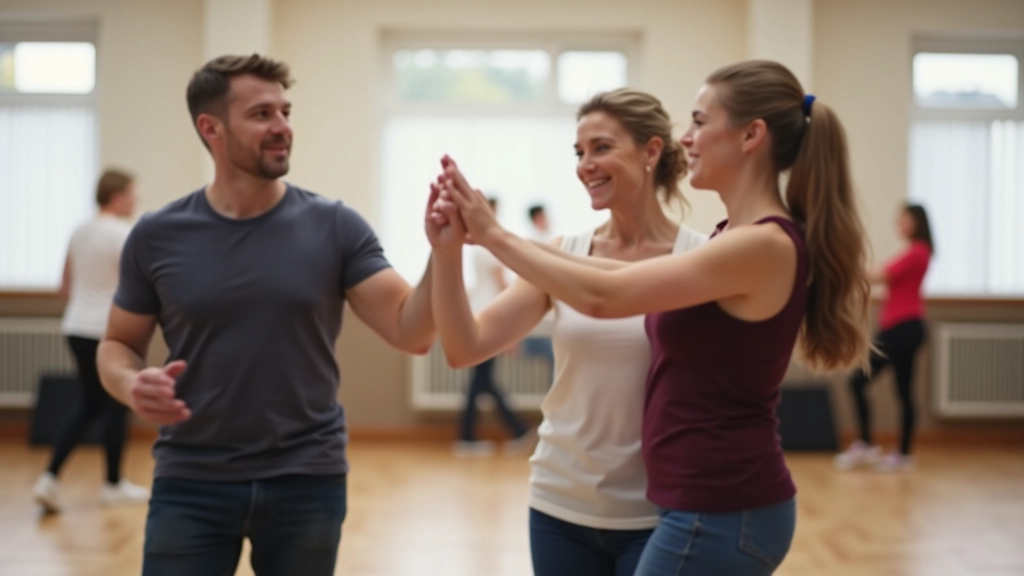
Most people walk into their first salsa class thinking they need to memorize complicated choreography. They don't. What's actually happening is much simpler — you're learning to feel eight counts of music and move to it with a partner.
The confusion comes from trying to think about steps while counting and listening to music all at once. But here's the thing: once your body gets it, the steps become automatic. You'll stop counting out loud and just feel the rhythm.

02 The Eight-Count Rhythm
Salsa uses eight counts. You're probably familiar with four-count patterns in other music, but salsa skips one beat — counts 1-2-3, pause on 4, then 5-6-7, pause on 8. It sounds odd written down, but when you hear the music, it makes complete sense.
The lead steps forward on 1, shifts weight on 2, steps back on 3. Then pause on 4 — this is your reset moment. Counts 5-6-7 mirror the first half, and 8 is another pause. That's the whole foundation. Everything else is variation on those eight beats.
The Pattern: Step (1) • Step (2) • Step (3) • Pause (4) • Step (5) • Step (6) • Step (7) • Pause (8)
Note: This guide is for educational purposes to help beginners understand salsa rhythm and basic lead-follow concepts. Every dancer learns at their own pace. Working with an instructor in person is always recommended, as they can observe your posture and provide real-time feedback that text alone cannot offer. The techniques described here are general approaches — your specific experience may vary based on your dance background and individual learning style.
03 The Lead-Follow Connection
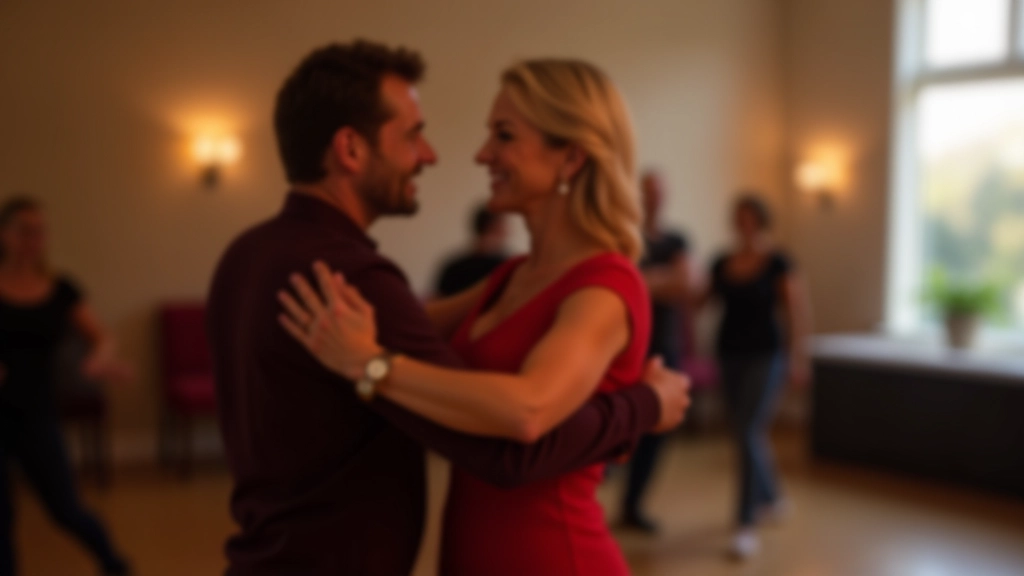
Here's where salsa becomes a conversation instead of two people dancing separately. The lead doesn't boss the follower around — they're sending signals through pressure and weight changes. The follower isn't just watching and copying. They're reading those signals and responding.
A lead's hands stay gentle but firm. When you want to move right, you don't yank — you shift your weight and let that guide your partner. A good follower stays relaxed but connected, ready to respond to the lead's direction without anticipating it. This isn't about strength. It's about attention.
Most beginners try too hard. You'll see someone gripping their partner's hand like they're afraid the follower will run away. That kills the whole thing. Relax. Light pressure. Small movements. Let the music and your partner's response guide what happens next.
Keep Learning


Start with the Basics
You don't need to be graceful or musical to learn salsa. You need to show up, listen to the music, and trust your partner. The eight-count rhythm becomes second nature after a few weeks. The lead-follow connection develops naturally once both dancers stop overthinking it.
Find a beginner class in your area. Most social dance venues offer classes specifically for people with no experience. You'll be in a room full of people just like you — nervous, curious, and ready to learn. That's where salsa actually clicks. Not from reading about it, but from feeling it with other people.
The rhythm is simple. The connection is simple. You're ready.