


01
The Nerve Factor Is Real
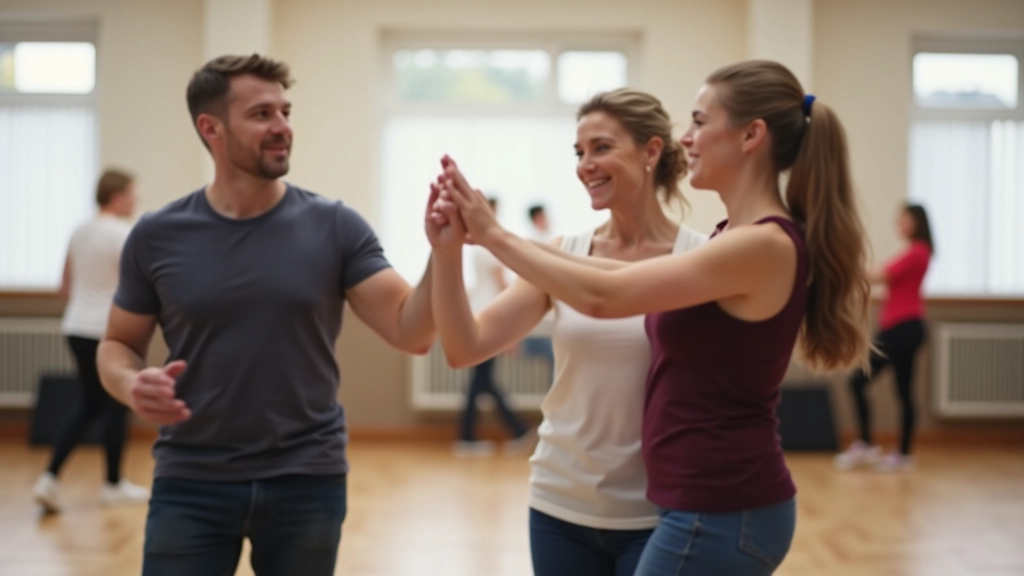
Walking into a dance studio for the first time at 45, 50, or 60 feels different than you'd expect. It's not just about not knowing the steps — though that's part of it. It's the eyes, the music, the feeling that everyone's watching you figure it out. But here's what we've learned from hundreds of people who've started dancing in Galway: that nervous feeling doesn't mean you shouldn't be there. It means you're about to do something worth doing.
The truth is, showing up is genuinely the hardest part. Once you're in the room, once the music starts and you're actually moving, the anxiety shifts. You're no longer thinking about how you look — you're thinking about the rhythm, about following your partner, about not tripping over your own feet. Which is actually easier to manage than the voice in your head before you arrived.
02
What Actually Helps When You're Nervous
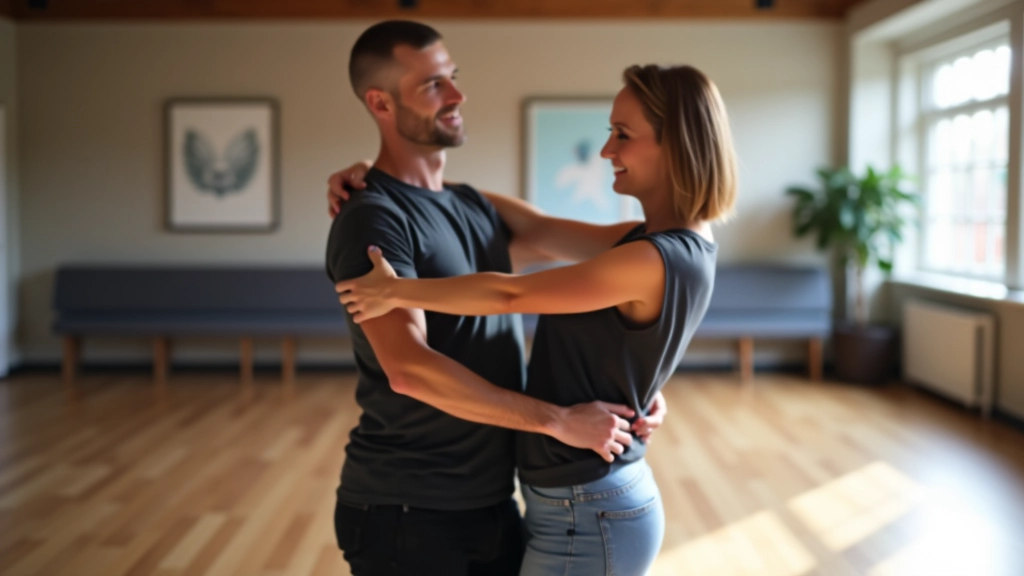
We've talked to dozens of people who've pushed through that first-timer anxiety in Galway, and certain things come up repeatedly. First: going with someone. Whether it's a friend, a family member, or even just arranging to meet someone at the studio, having another person there removes a huge chunk of the alone-ness. You're not the only new person anymore — you're there together.
Second: telling the instructor you're brand new. This one matters more than people expect. When your instructor knows it's your first class, they adjust how they approach you. They explain steps more clearly, they check in more often, they make sure you're not drowning. You're not a problem to manage — you're someone they're actively helping.
Third: accepting that you'll be the worst dancer in the room — and that's completely fine. Everyone there was once exactly where you are. They remember being lost. They're not judging you; they're probably too focused on their own feet to notice yours.
What This Guide Covers
This article shares experiences and strategies from people who've started dancing at 45+ in Galway. We're talking about building confidence, dealing with nerves, and the real mechanics of showing up. Everyone's experience is different — your own comfort level, physical condition, and learning pace will be unique to you. If you have any physical concerns, it's always worth checking with your doctor before starting a new activity.
03
The First 4-6 Weeks Is Where Things Change
Here's something consistent we've noticed: people start feeling noticeably different after about 4-6 weeks of regular classes. Not because they've become amazing dancers — they haven't. But because the room stops feeling scary. You know where the bathroom is. You know what to expect. You've done the basic step maybe 200 times, so your body starts remembering it without your brain having to work so hard.
Around week 5 or 6, something shifts. You catch yourself actually enjoying it instead of just surviving it. You notice you're better at something than you were before — your timing's cleaner, your balance is steadier. The person next to you asks a question and you realize you actually know the answer. That's the moment confidence starts building. Not because you're suddenly good at dancing. But because you're no longer completely lost.
By week 8, most people are asking about the next level class. They're thinking about trying a different style. They're actually showing up because they want to, not because they're forcing themselves. That's when you know it's stuck.
Keep Reading

The Real Confidence Comes From Doing It
You can read about starting to dance. You can watch videos. You can talk to people who've done it. But the actual confidence — the kind that sticks — comes from standing in that studio, hearing the music, moving your body, and realizing you didn't die of embarrassment. You're still here. You're still moving. You're still trying.
That's not a small thing. It's actually everything.
Galway's got a real dance community. The people showing up to these classes aren't there to judge. They're there because they also wanted something different. They also felt nervous. They also showed up anyway. And now they're helping create a space where someone just like you can do the same thing.
The hardest step is the one into the studio. Everything after that is just dancing.